Proudly Serving Atlanta and Beyond
Pressure Washing Services
Reliable Exterior Cleaning Services in Atlanta
We help homeowners and businesses in Atlanta, GA remove dirt, grime, and stains from driveways, siding, roofs, and more.
We Make Your Property Look New Again
Untouchable Pressure Washing provides professional pressure washing services that safely remove dirt, mold, mildew, and stains from your home or business—so your property looks clean, fresh, and well-maintained.
No long wait times or surprise pricing. Just dependable service, clear communication, and results you can see right away.
Clear, Upfront Pricing
Safe, Eco-Friendly Cleaning Methods
Fast Response & Scheduling
Residential & Commercial Services
Tell Us What You Need Cleaned
Exterior Cleaning Solutions
Full-Service Pressure Washing Solutions
House Washing
Safely remove dirt, mold, and mildew from siding and exterior surfaces to restore your home’s appearance without damage.
Vinyl & siding washing
Mold & mildew removal
Soft wash treatments
Stucco & brick cleaning
Full exterior home wash
Driveway & Concrete Cleaning
Deep cleaning for concrete and hard surfaces to remove stains, buildup, and discoloration.
Driveway pressure washing
Sidewalk & walkway cleaning
Patio & pool deck cleaning
Oil & rust stain removal
Concrete surface restoration
Roof Soft Washing
Low-pressure roof cleaning that removes algae and streaks while protecting your shingles.
Black streak removal
Algae & moss treatment
Asphalt shingle cleaning
Tile & metal roof washing
Safe, non-pressure methods
Professional exterior cleaning for businesses, storefronts, and commercial properties.
Building exterior cleaning
Parking lot & garage washing
Dumpster pad cleaning
Storefront & signage cleaning
Scheduled maintenance plans
Actual Projects, Proven Outcomes
See the Difference Professional Pressure Washing Makes
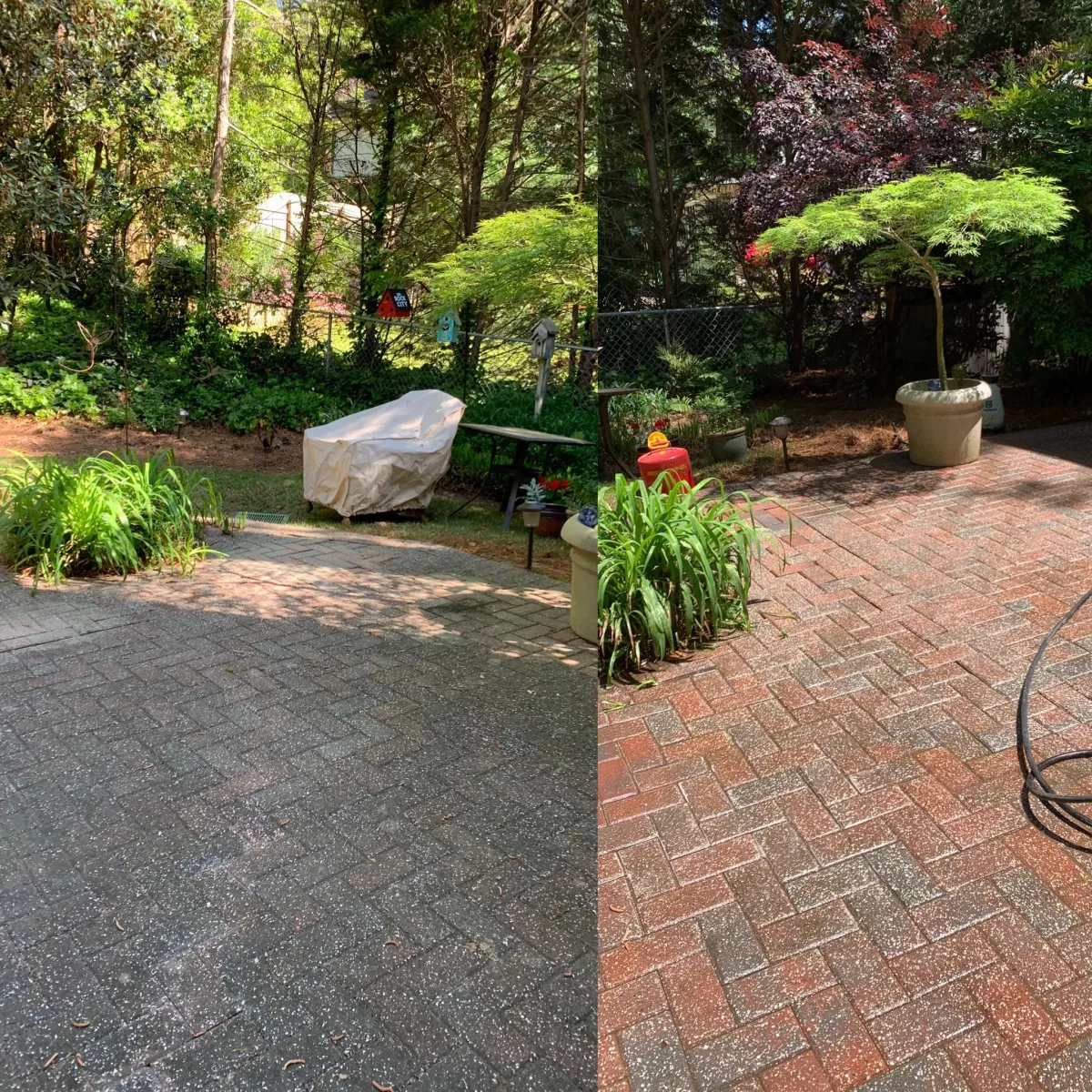
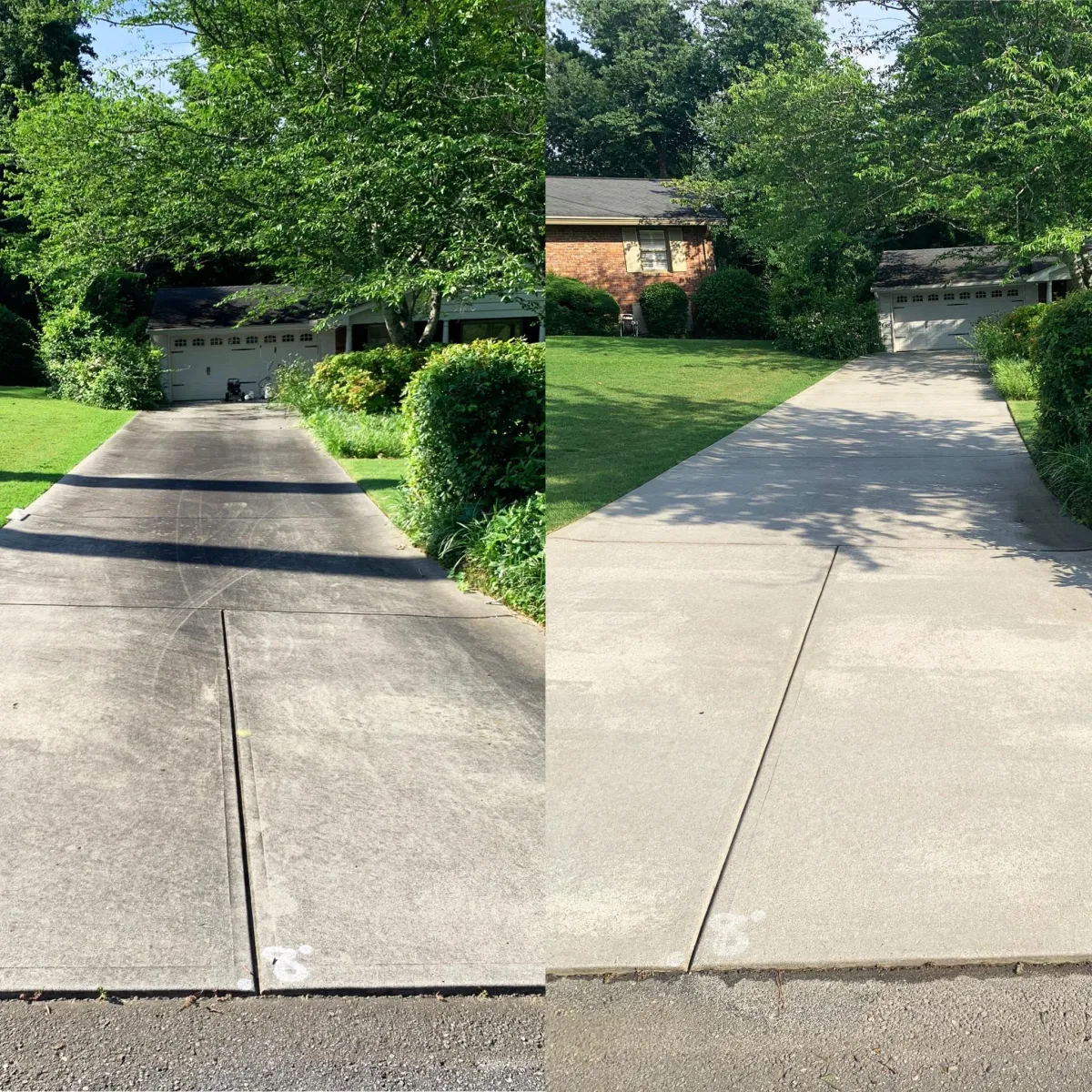
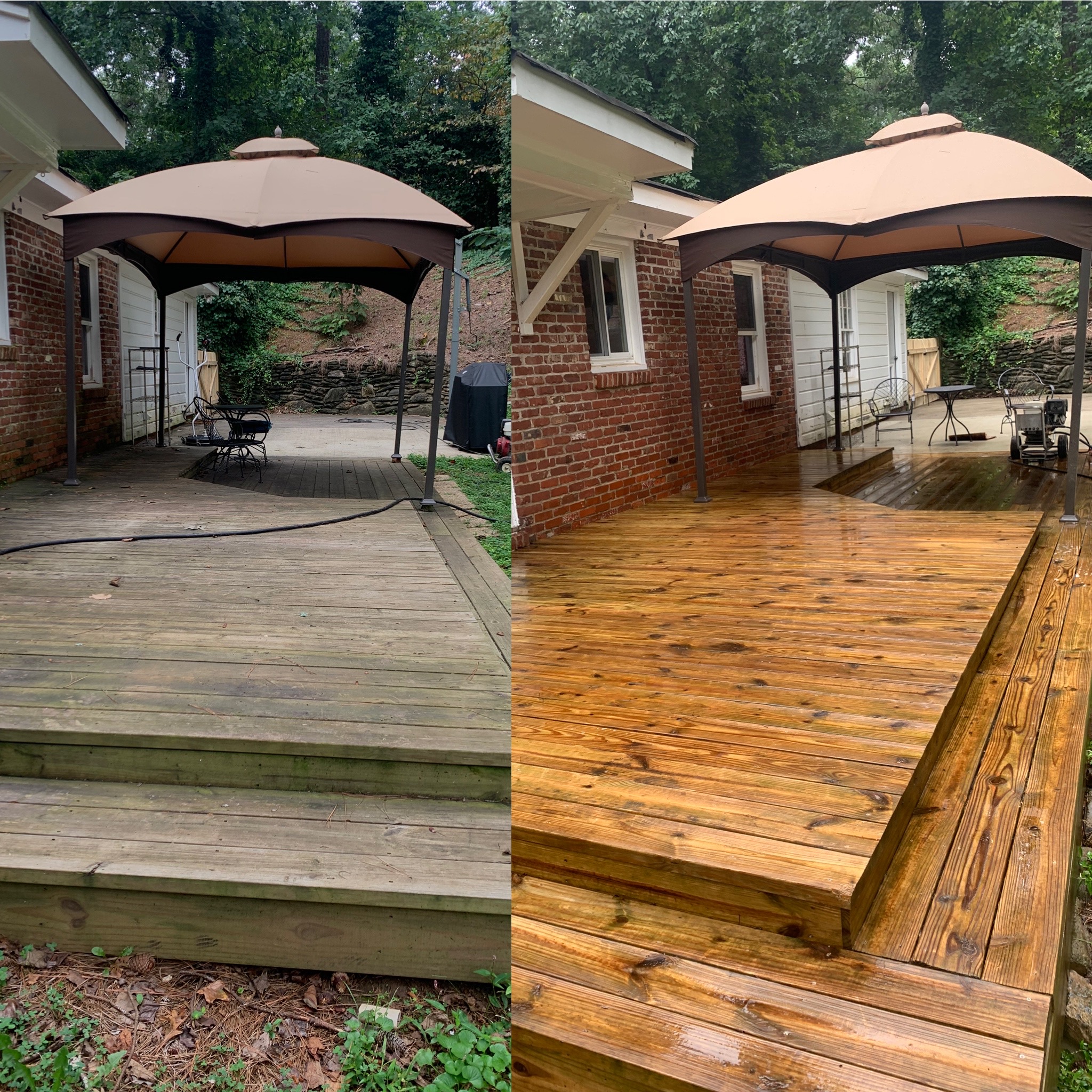
From stained concrete to dirty siding, our team delivers noticeable results that instantly improve the look of your property. No job is too tough—we clean it right the first time.
Patio Revival
Driveway Transformation
Deck Renewal
Preferred by locals
Trusted Pressure Washing in Atlanta
Neighborhood Gratitude
Respected Neighborhood Savings
20% Off
Community Protectors
20% DISCOUNT for Our Honored Police, Fire, EMS
We proudly offer 20% off all pressure washing services to the first responders who protect our community every day. Thank you for keeping our neighborhoods safe and strong.
12% Off
Respectful Seniors Deal
12% DISCOUNT for Our Cherished Senior Residents
We’re happy to provide 12% off all pressure washing services for our senior customers. Let us handle the hard work so you can enjoy a clean, well-maintained home with peace of mind.
18% Off
Armed Forces Appreciation
18% SAVINGS for Our Courageous Veterans
To those who have served or are currently serving, we offer 18% off all pressure washing services as a small thank-you for your dedication and sacrifice.

See How Our Pressure Washing Process Works
Want to know what working with Untouchable Pressure Washing is like?
Watch how our team safely and efficiently cleans homes and businesses—from arrival to final rinse—so you know exactly what to expect.
Ways to Begin
3 Easy Steps to Get Your Property Clean
1.
Online Estimate
Fill out a quick form with details about your property and the areas you’d like cleaned. We’ll review it and get back to you with fast, accurate pricing.
2.
Give Us a Call
Have questions or need immediate help?
Speak directly with our team and get answers right away.
3.
Message Us
Send photos of your driveway, siding, roof, or other surfaces for quick estimates and faster scheduling—anytime, anywhere.
Most Common Pressure Washing Services We Provide
Residential
Residential Pressure Washing Services
most Common residential pressure washing services
Whether your driveway is stained, your siding has buildup, or your patio needs refreshing, we handle exterior cleaning projects of all sizes. Our team restores curb appeal while using safe methods to protect your home and landscaping.
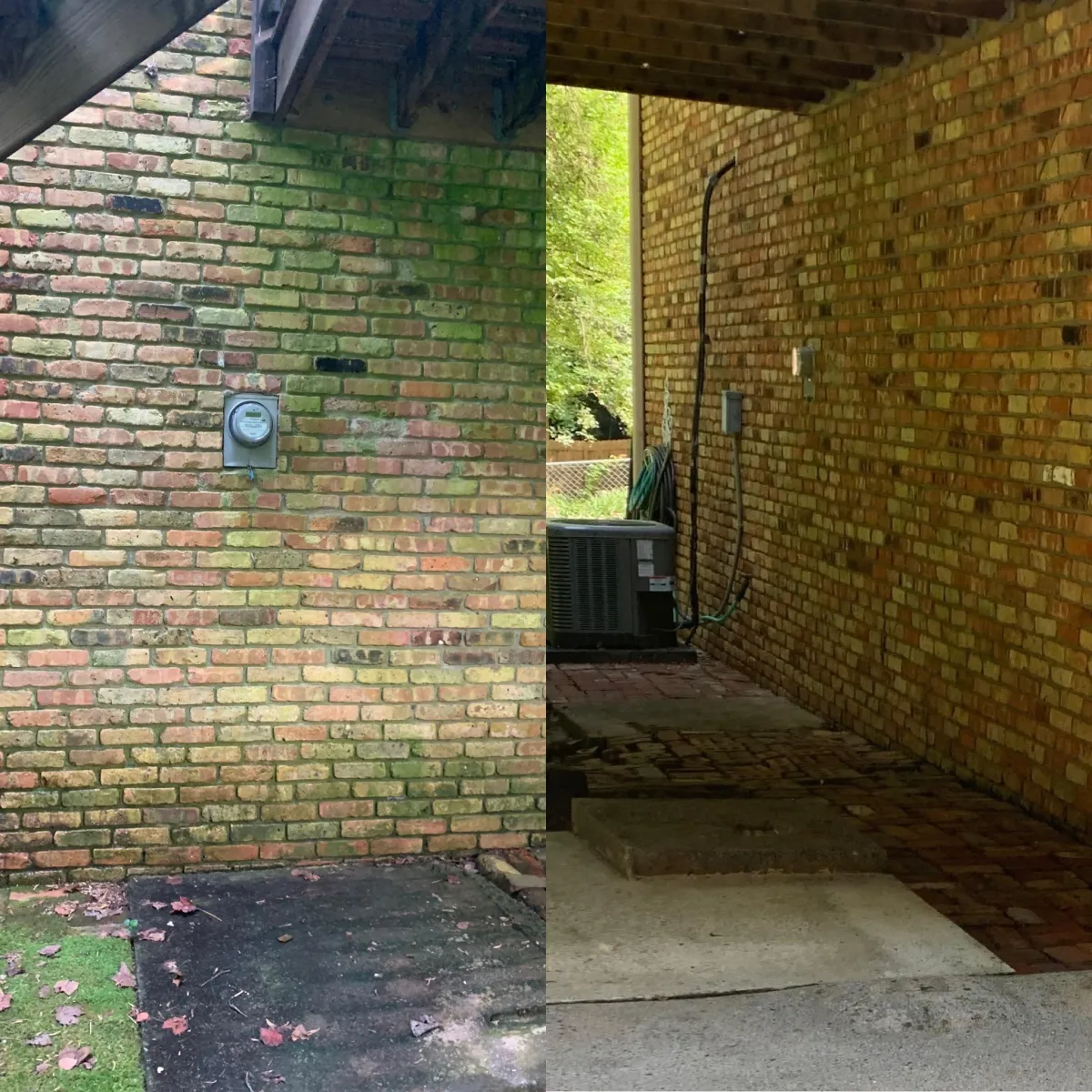
House washing & siding cleaning
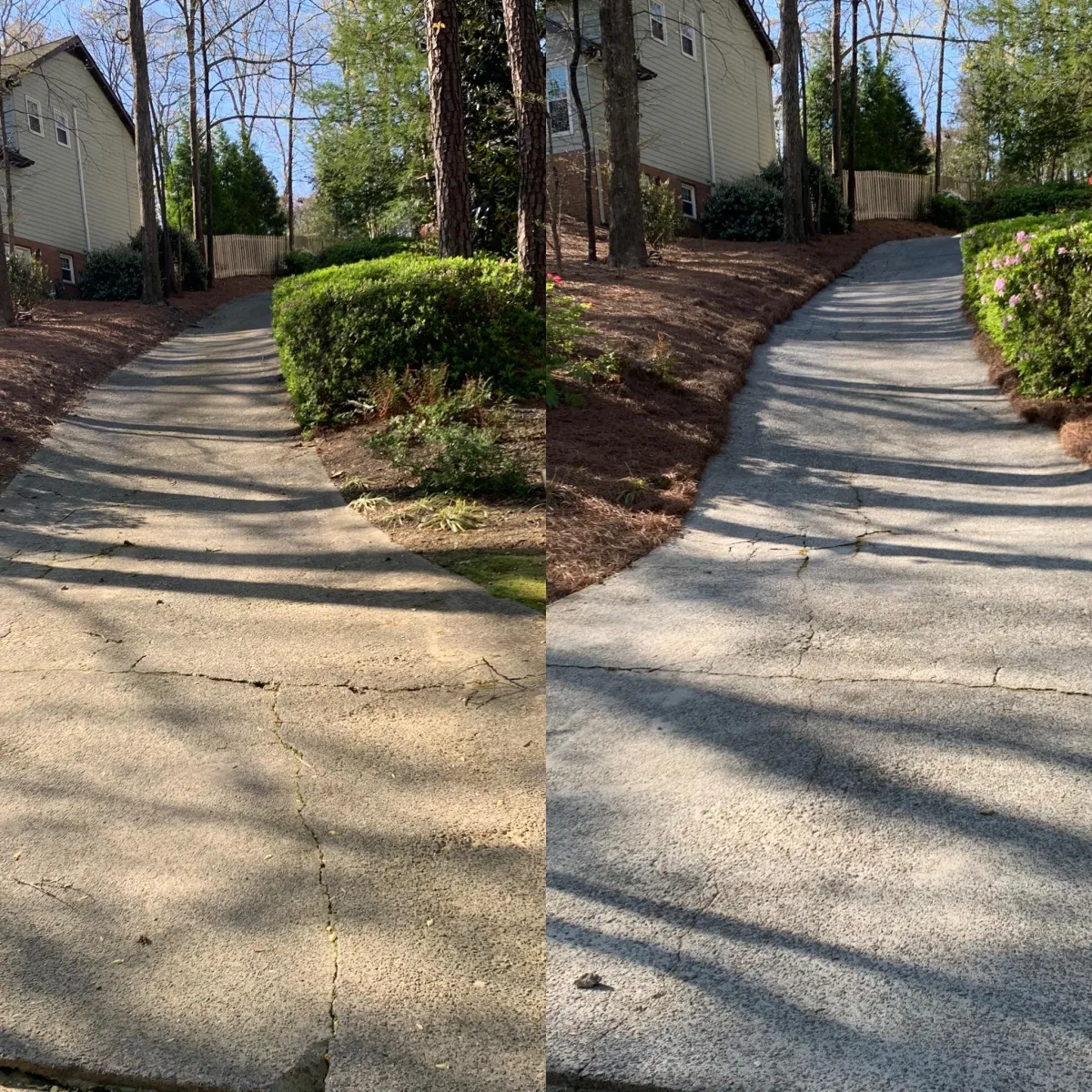
Driveway & sidewalk pressure washing
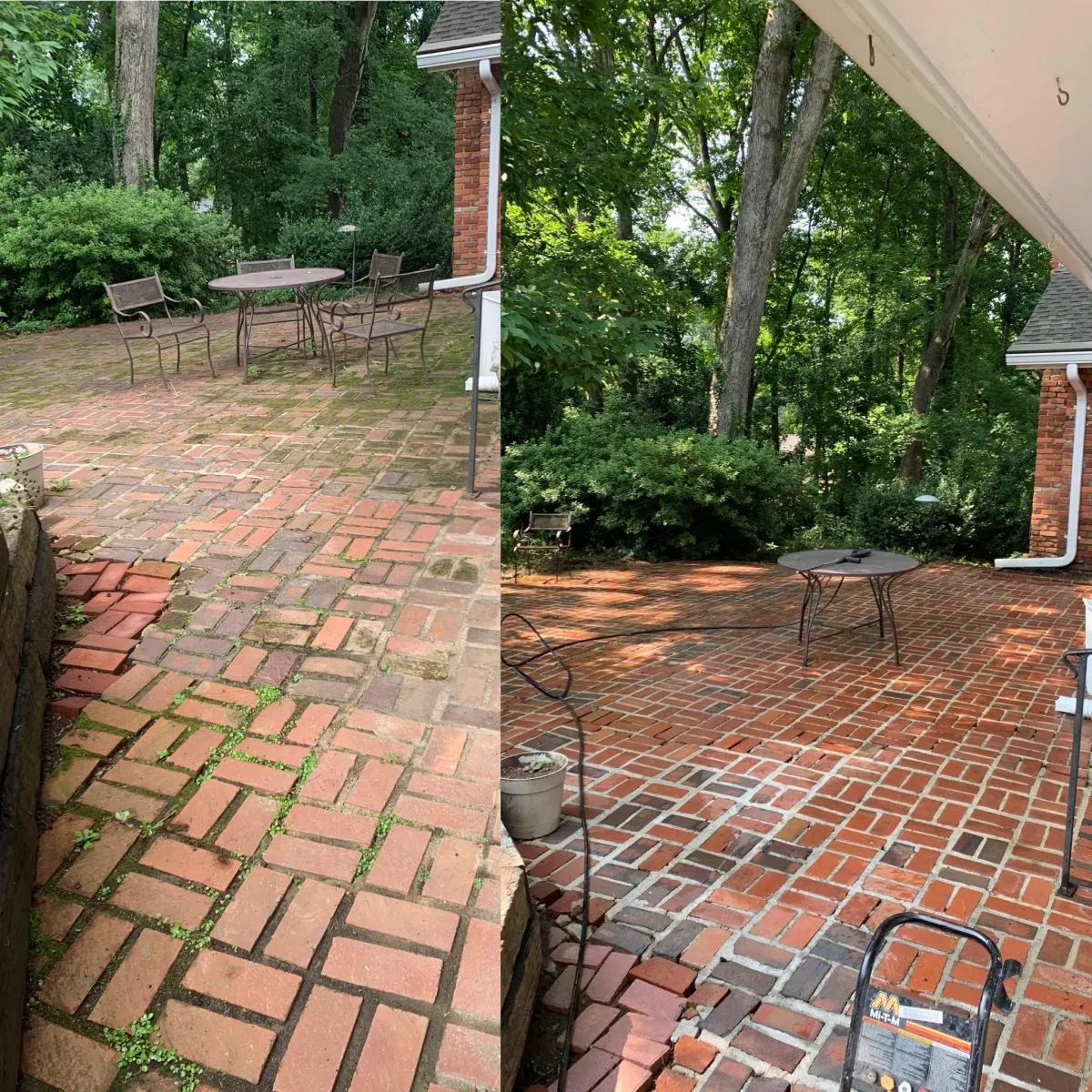
Patio, deck, & pool area cleaning
Fence & outdoor surface washing
commercial
Commercial Pressure Washing Services
Most Common Commercial pressure washing services
From storefronts with heavy foot traffic to large commercial properties, we help businesses maintain a clean, professional appearance. Whether it’s routine maintenance or a one-time deep clean, our team works efficiently around your schedule to minimize disruption.
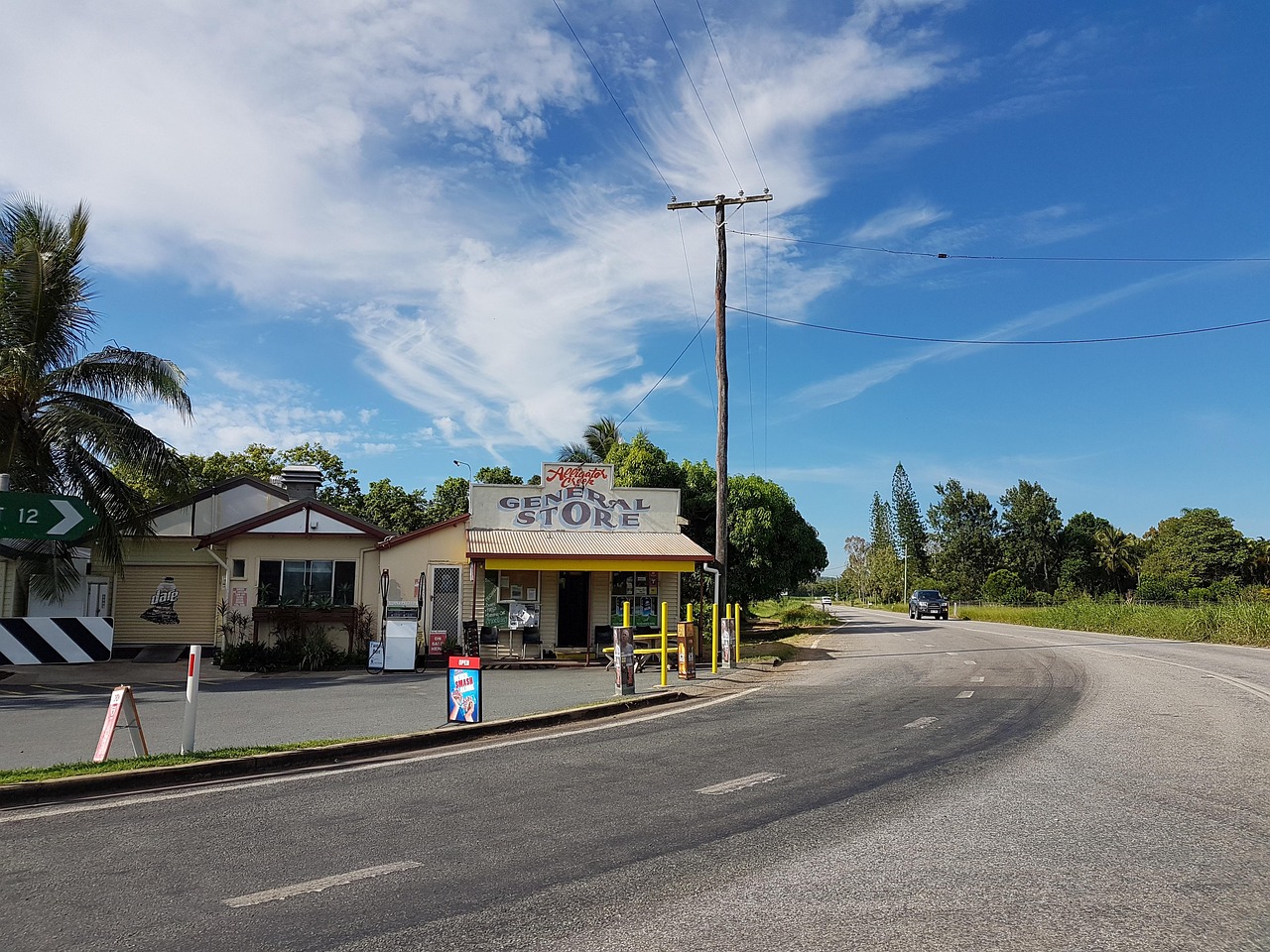
Building exterior washing
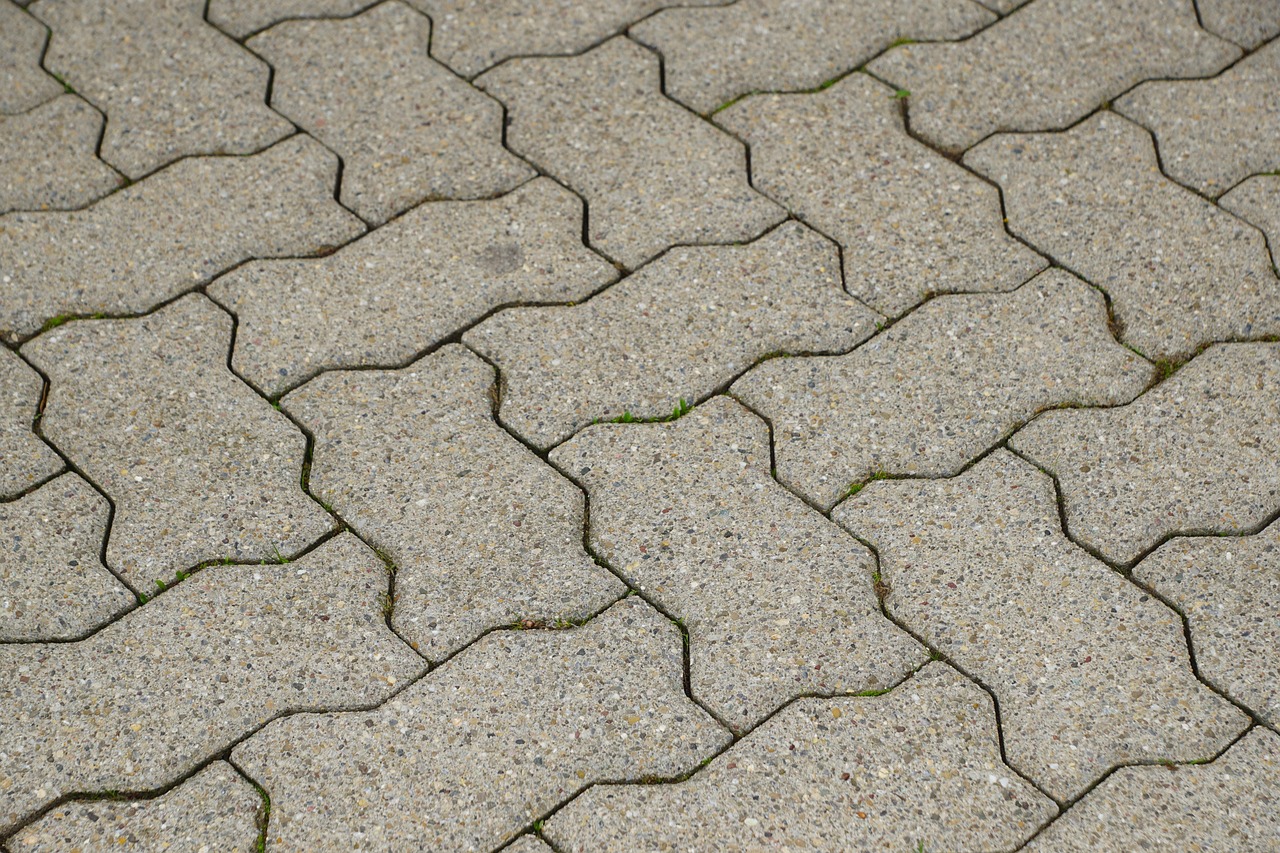
Storefront & entryway cleaning
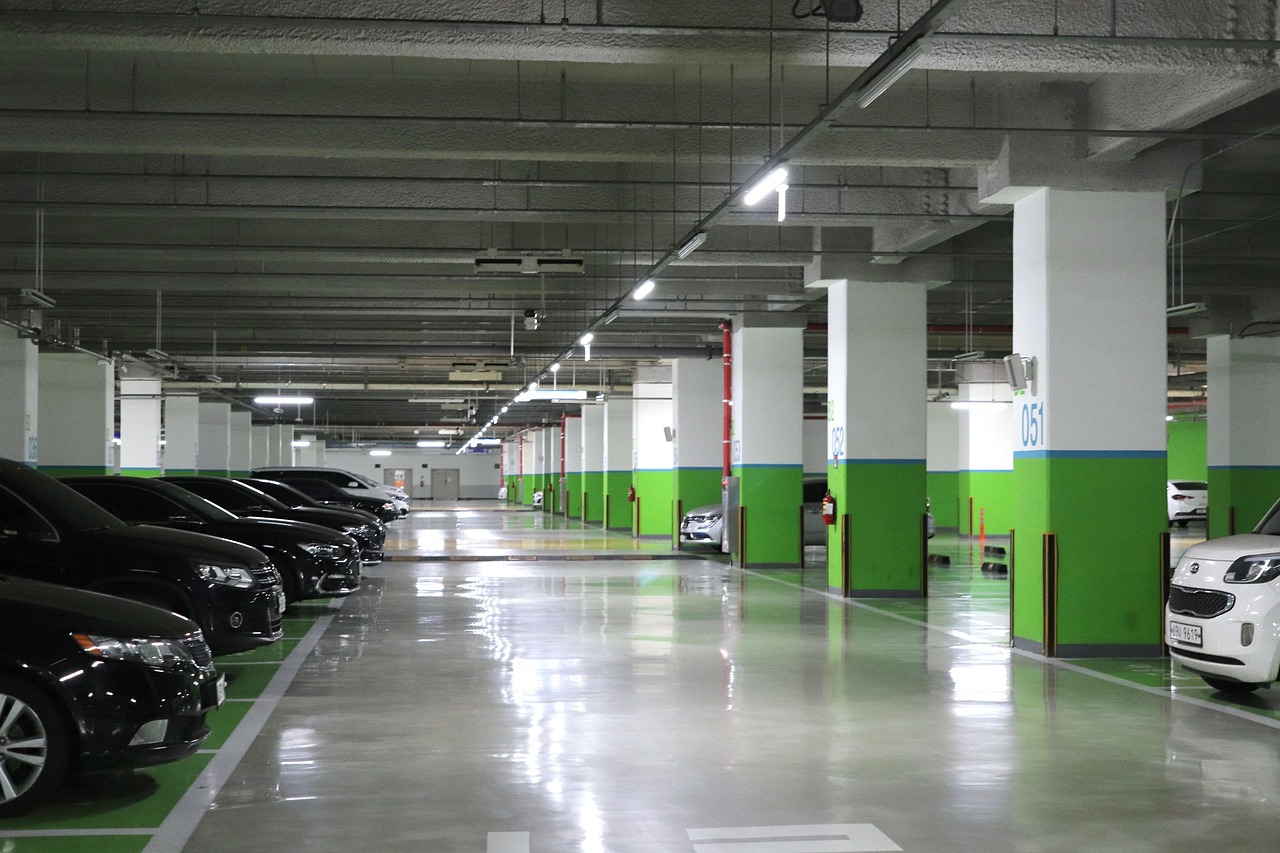
Parking lot & garage washing
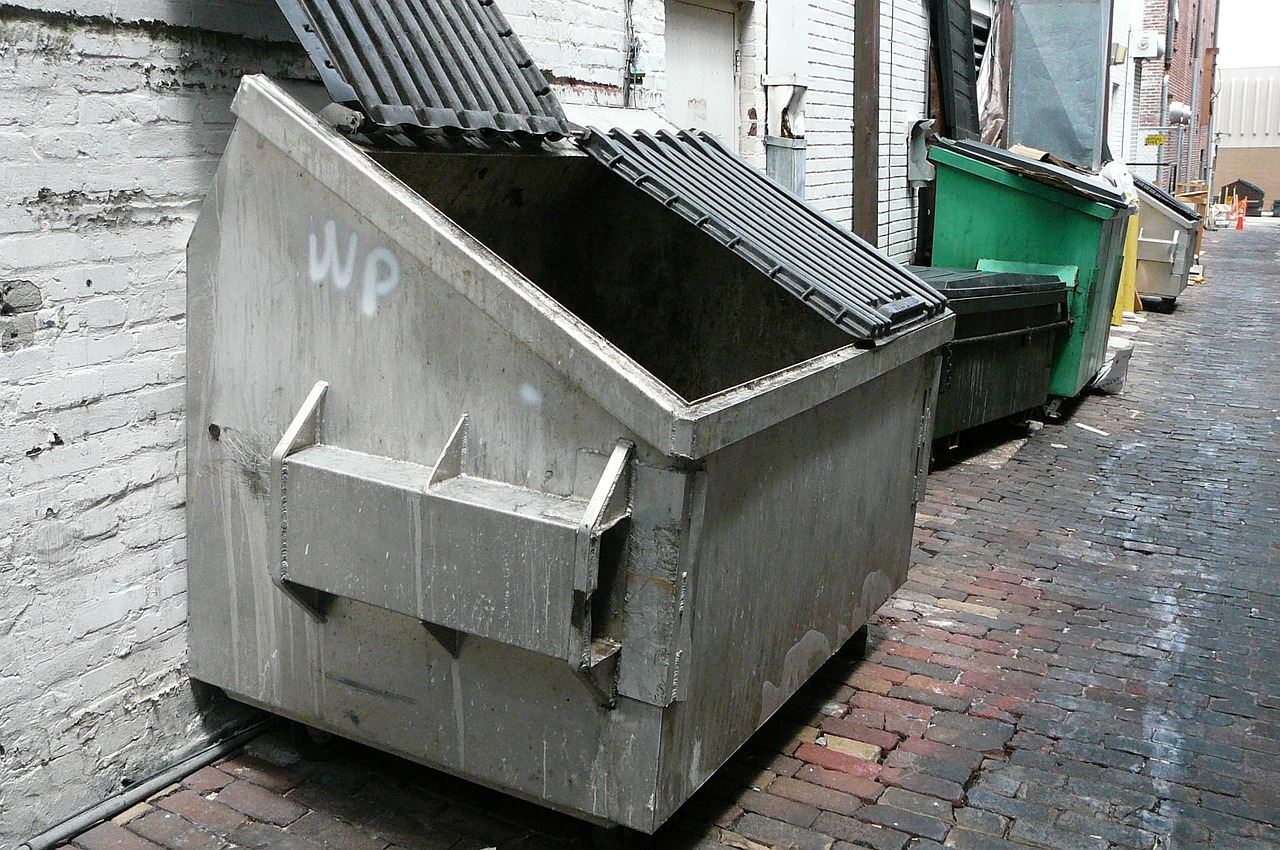
Dumpster pad cleaning
Grab Your Quick Estimate Today
Affordable, professional pressure washing services for homes and businesses—delivering clean results without the hassle.
Surfaces We Clean
Surfaces We Clean in Atlanta
Professional exterior cleaning services for homes and businesses throughout Atlanta, GA.
House & Siding Washing
Gentle exterior cleaning for vinyl, brick, stucco, and siding — removing dirt, mold, mildew, and buildup without damage.
Driveway & Sidewalk Cleaning
Deep pressure washing to eliminate stains, algae, and discoloration from concrete surfaces for a clean, like-new look.
Patio, Deck & Pool Area Cleaning
Restore outdoor living spaces by removing grime, slippery algae, and weather buildup from patios, decks, and pool areas.
Roof Soft Washing
Low-pressure roof cleaning that safely removes black streaks, algae, and moss while protecting shingles and roofing materials.
Fence Cleaning
Wood, vinyl, and composite fence washing to remove buildup and restore original appearance.
Building Exterior Cleaning
Professional washing for offices, storefronts, and commercial buildings to maintain a clean, professional appearance.
Parking Lot & Garage Cleaning
Removal of dirt, oil stains, and debris from parking areas to improve safety and curb appeal.
Dumpster Pad & Service Area Cleaning
Heavy-duty cleaning for high-traffic service areas to reduce odors, buildup, and bacteria.
Sidewalk & Entryway Cleaning
High-visibility surface cleaning to keep walkways safe, clean, and welcoming for customers and employees.
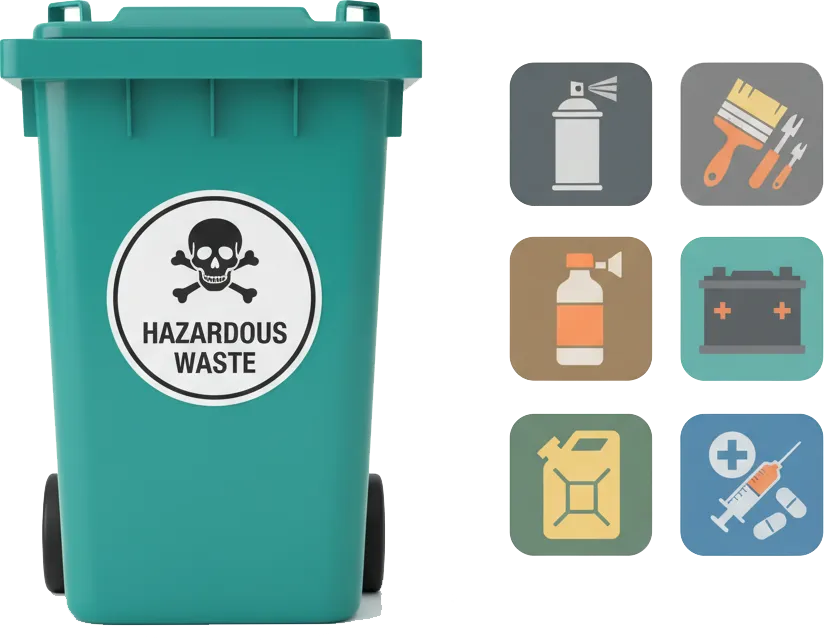
Surfaces We Do Not Clean
For Safety, Some Surfaces Are Excluded...
We safely clean most exterior surfaces around your home or business. However, for safety and liability reasons, there are certain materials and conditions we cannot service. If you’re unsure whether your surface qualifies, we’re happy to review it during a free estimate.
Hazardous or Chemical-Contaminated Surfaces
Surfaces Requiring Asbestos or Mold Remediation
Heavily Damaged or Structurally Unsound Surfaces
Areas with Loose Electrical Wiring or Active Hazards
Local Service You Can Trust
Proud to Serve Our Local Community
Untouchable Pressure Washing is locally owned and committed to providing reliable, professional pressure washing services to homeowners and businesses throughout Atlanta, GA. We take pride in our work, our reputation, and the communities we serve.
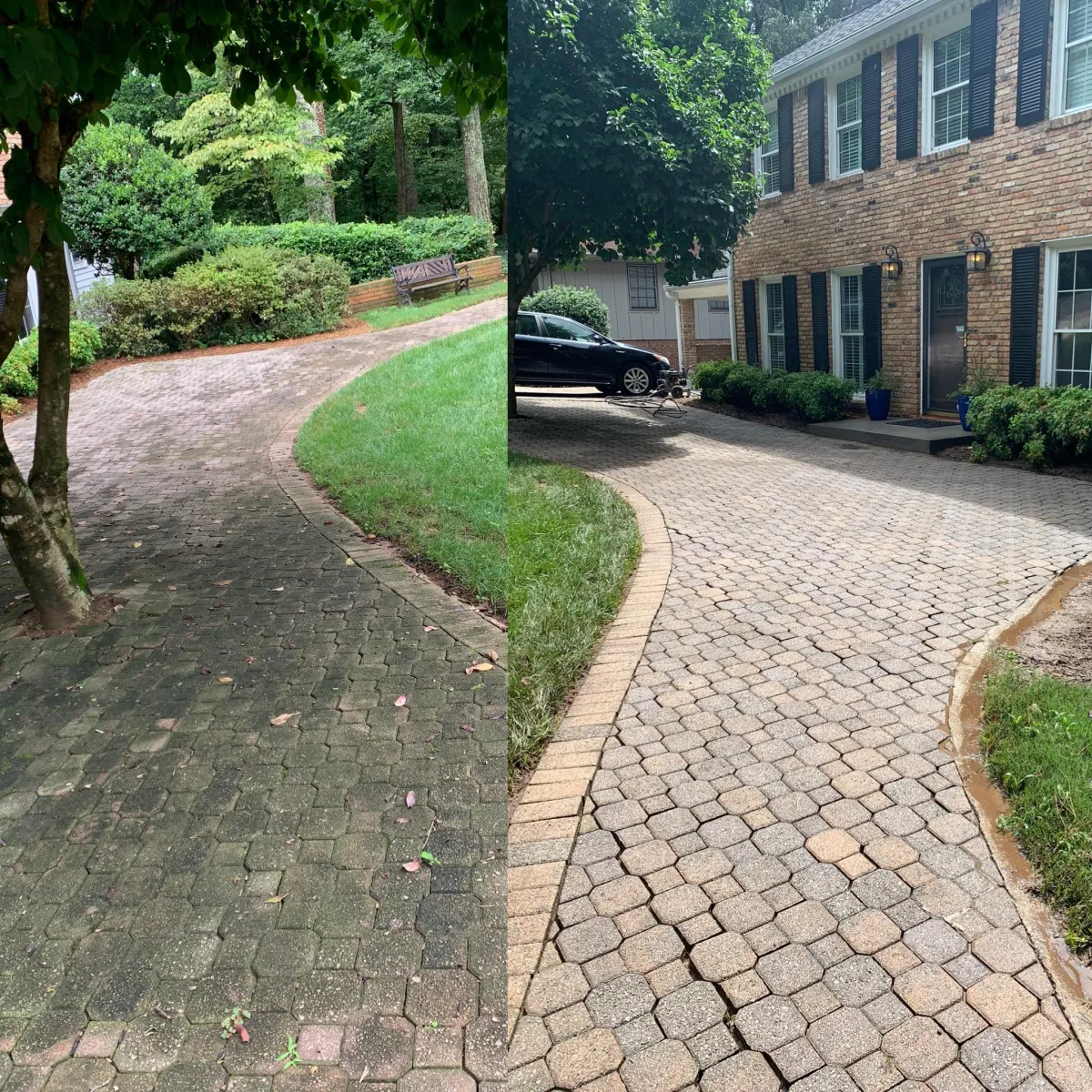
Single-Area Cleaning
Perfect for driveways, patios, sidewalks, or a single exterior area that needs professional cleaning.
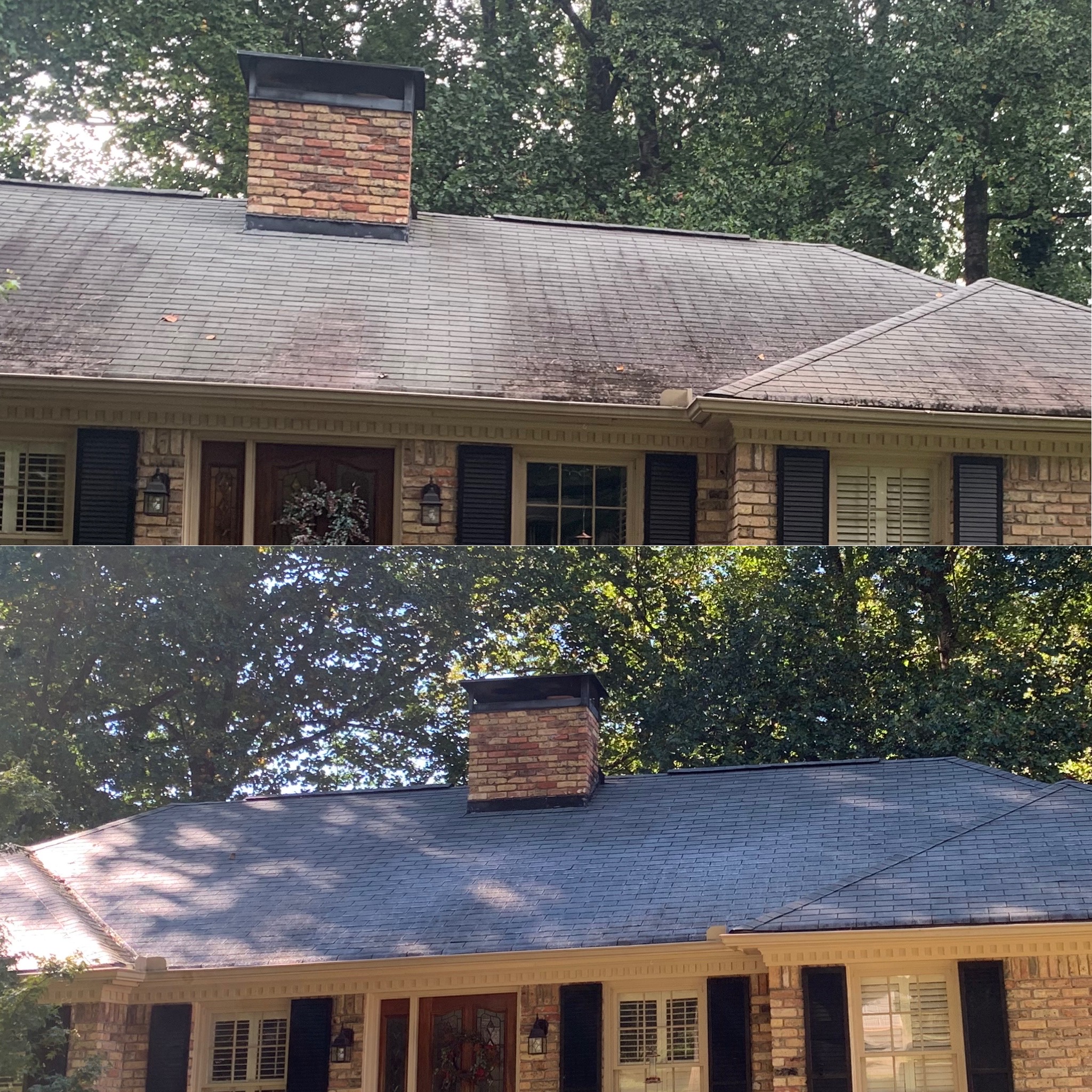
Multi-Surface Cleaning
We offer bundled pricing when cleaning several surfaces—saving you time while restoring your property’s overall appearance.
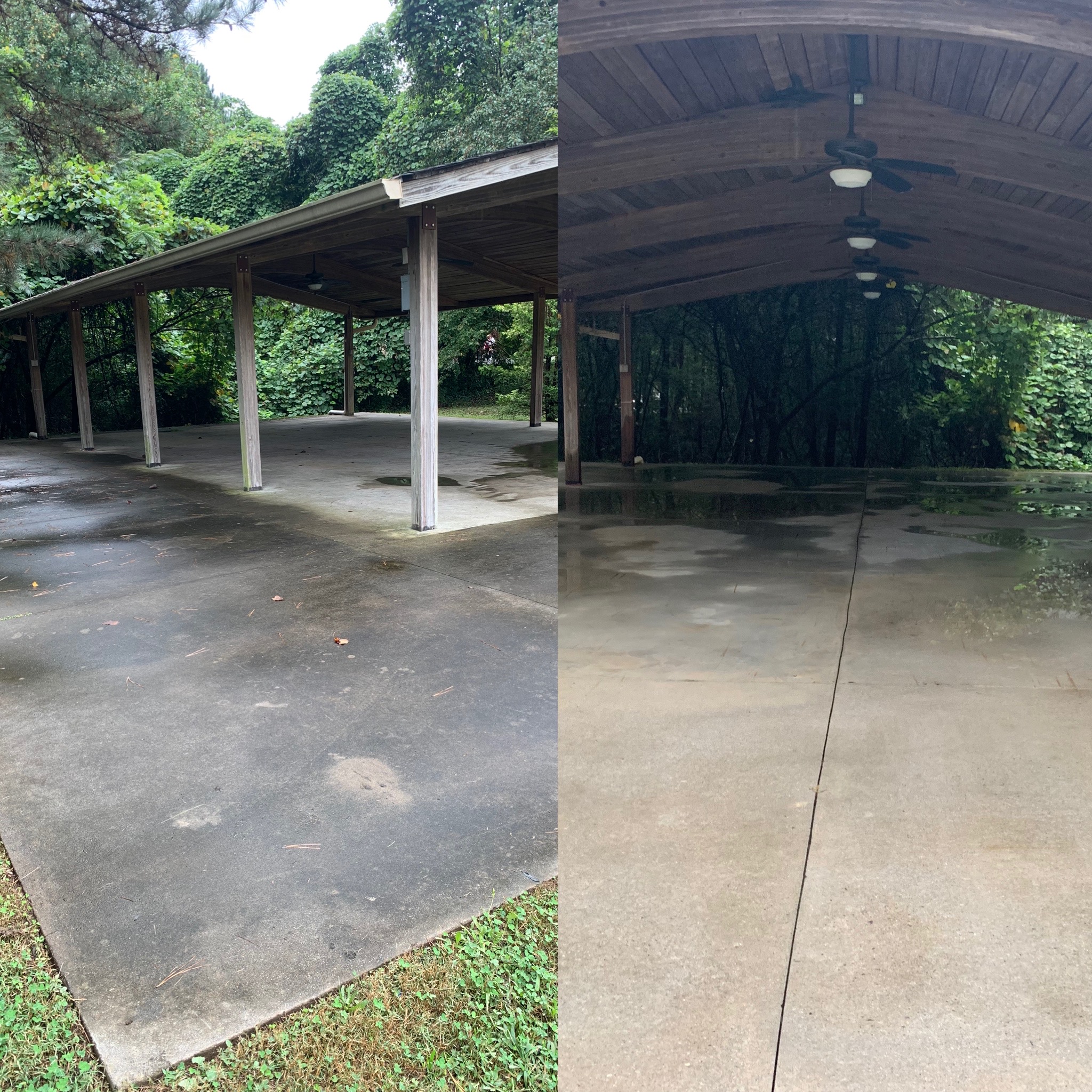
Large Property or Commercial Cleaning
We handle bigger projects, tougher stains, and high-traffic areas using professional equipment and proven methods.
Regarding Our Rates
Transparent Pricing.
No Surprises.
Our pressure washing estimates are based on the size of the area, surface type, level of buildup, and overall scope of work. Every quote includes professional labor, equipment, and proper cleaning methods—so you know exactly what to expect.
What our pricing covers:
- Professional equipment & safe cleaning solutions
- Careful preparation and cleanup
- Residential or commercial service
- Clear, upfront estimates before work begins
How estimates are structured:
Single-Area Pricing: Ideal when you only need one surface cleane
d
Multi-Surface Pricing: Cost-effective options for cleaning multiple areas
Large Project Pricing: Custom quotes for large properties or commercial jobs
Areas We Serve
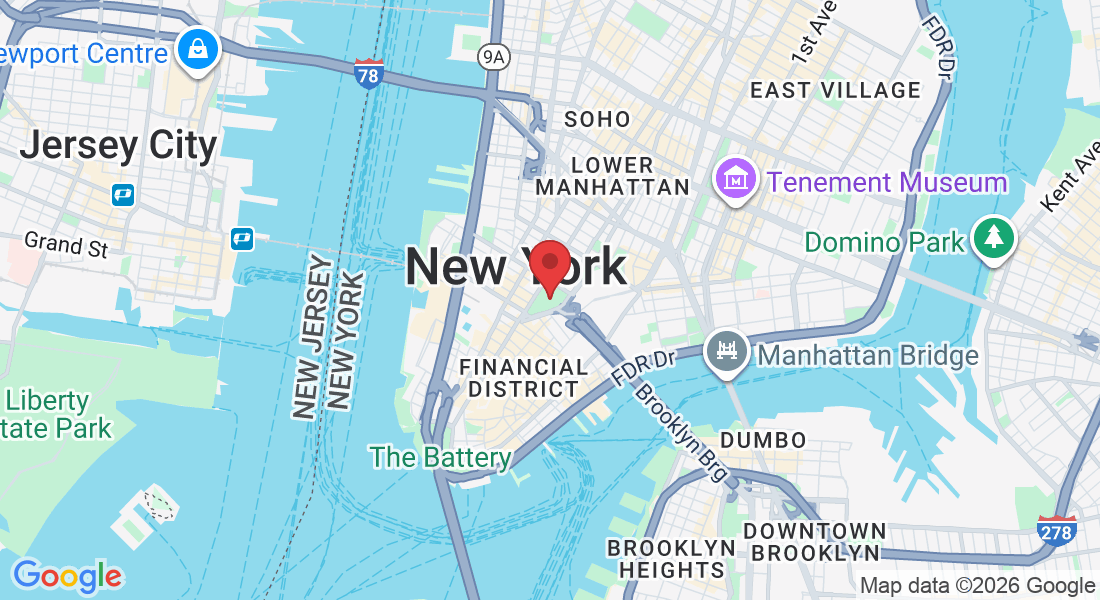
PRESSURE WASHING & Nearby Areas
Have a Question?
Tap the chat icon in the corner to start a conversation with our team, or call us directly to discuss your pressure washing needs and get a fast, free estimate.
Simple as A, B, C
We Make Pressure Washing Simple
1
Get a Quote
Tell us what areas you’d like cleaned using our quick online form or give us a call. We’ll provide clear, upfront pricing so you know exactly what to expect.
2
Schedule It
Choose a day and time that works best for you. We’ll confirm your appointment and handle all the details so your service day runs smoothly.
3
Remove It
Our team arrives on time with professional equipment and safely cleans the requested areas. You point out what needs attention—we take care of the rest.
FAQS
Commonly Asked Pressure Washing Questions
Have questions about our pressure washing services? We’ve got answers. Below are some of the most common questions homeowners and businesses ask before getting started.
What surfaces do you clean?
We clean a wide range of exterior surfaces for homes and businesses throughout Atlanta, GA, including siding, driveways, sidewalks, patios, decks, fences, roofs (soft washing), and commercial exteriors. If you’re unsure about a specific surface, contact us for a free estimate.
Are there any surfaces you don’t clean?
Yes. For safety and liability reasons, we do not clean surfaces that require specialized remediation, such as asbestos-containing materials, hazardous chemical contamination, or structurally unsafe surfaces. If you’re unsure, we’re happy to review your property during a free assessment.
How much does pressure washing cost?
Pricing depends on the size of the area, surface type, level of buildup, and scope of work. We provide clear, upfront estimates so you know exactly what to expect before any work begins. Contact Untouchable Pressure Washing for a fast, free quote.
Do you offer same-day service?
Same-day or next-day service may be available depending on availability and location in Atlanta. We recommend contacting us as early as possible to secure your preferred time.
How do you handle large or heavily stained areas?
We use professional-grade equipment and proven cleaning methods to safely remove tough stains, buildup, and grime. For larger properties or heavily soiled areas, we create a customized cleaning plan to ensure effective results without damaging surfaces.
Can you clean roofs and delicate surfaces?
Yes. We use soft washing for roofs and delicate surfaces, which relies on low pressure and specialized cleaning solutions to safely remove algae, mold, and streaks without damaging shingles or materials.
Do you provide residential and commercial pressure washing?
Absolutely. Untouchable Pressure Washing offers both residential and commercial pressure washing services for homeowners, businesses, property managers, and HOAs throughout Atlanta, GA.
How do I schedule a service?
Scheduling is easy. You can request a free quote through our online form, call us directly at 404-330-7225, or use the chat option on our website. We’ll confirm details and schedule a time that works best for you.
Is your pricing transparent with no hidden fees?
Yes. We believe in honest, upfront pricing. Your estimate includes labor, equipment, and cleaning solutions—there are no hidden fees or surprise charges.
It’s Time to Restore Your Property’s Curb Appeal!
Over time, dirt, grime, and buildup can take away from the look and value of your property.
Let Untouchable Pressure Washing handle the cleaning so you can enjoy a fresh, well-maintained home or business again.

